Is LinkedIn Marketing Worth It for B2B Firms in India?
Is LinkedIn marketing worth it? For B2B businesses in India that sell to other companies, such as manufacturers, IT service firms, exporters, consultants and industrial suppliers, it usually is, provided you treat it as a long-term trust channel rather than a quick lead machine. LinkedIn is where purchase managers, engineers, HR heads and founders check who you are before replying to a quotation or taking a meeting. It is rarely worth it for consumer businesses like restaurants or salons, where Instagram, WhatsApp and Google bring better returns.
This guide covers who LinkedIn suits, whether to post from a founder profile or company page, what to share, when paid ads make sense and how to judge results. For a team to plan and run it, see our page on the LinkedIn marketing agency in Coimbatore service.
Who LinkedIn works for
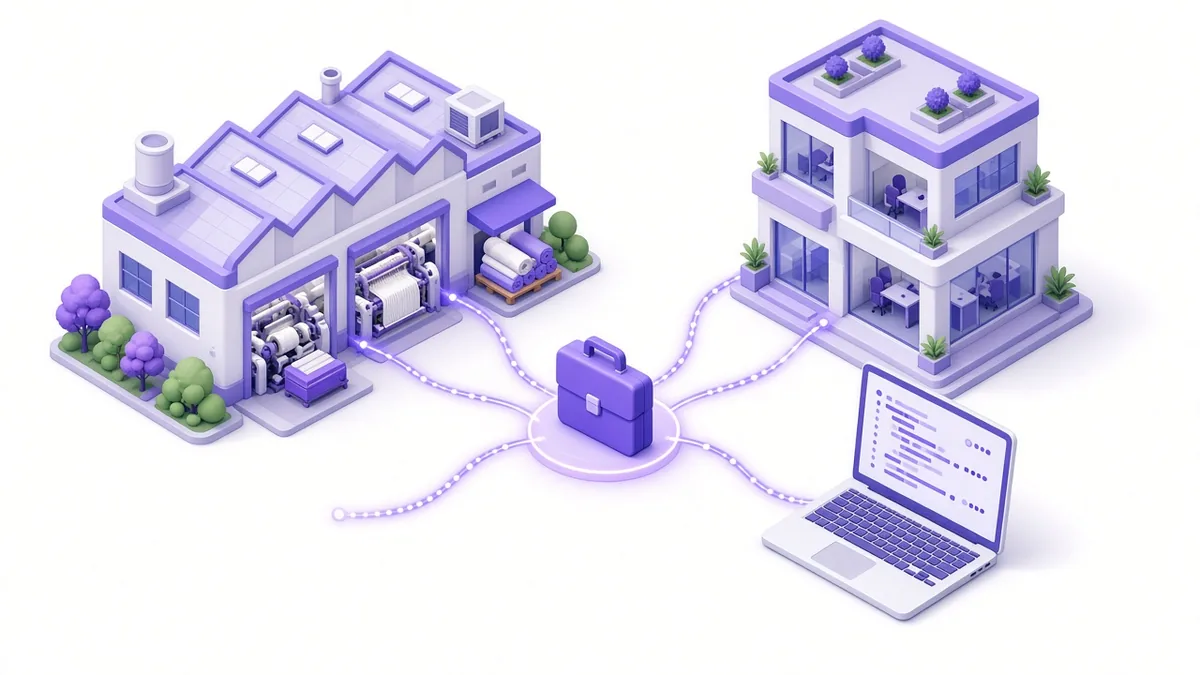
LinkedIn rewards businesses whose buyers have job titles. Strong fits include:
| Business type | Who you reach on LinkedIn |
|---|---|
| Precision engineering, foundries, pump and motor makers | Purchase managers, plant heads, design engineers at OEMs |
| Textile mills and garment exporters | Sourcing managers, buying houses, brand merchandisers |
| IT services and SaaS firms | CTOs, founders, product heads, IT managers |
| Consultants, CA and legal firms | Founders, CFOs, HR leaders |
| Training and staffing companies | HR heads, L&D managers, hiring managers |
| Industrial distributors | Maintenance heads, procurement teams |
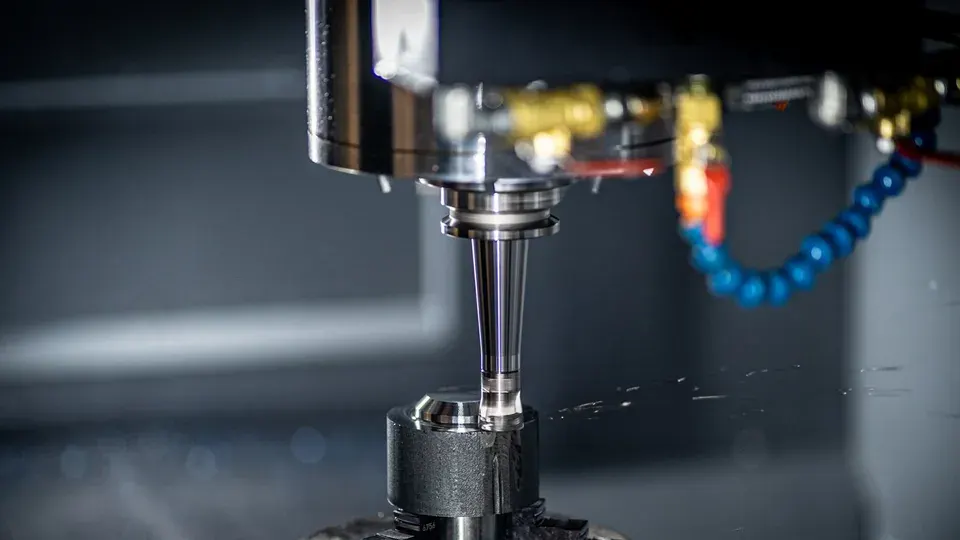
Coimbatore has a dense base of manufacturers and engineering exporters, which makes LinkedIn particularly relevant here. A buyer in Pune or Germany who receives a quotation from a Coimbatore supplier will often look up the company and its founder on LinkedIn before replying.
LinkedIn is a weak fit when your customers are walk-in consumers, when the purchase is impulsive and low value, or when nobody in the business is willing to post under their own name.
Personal profile or company page: which carries more weight?
You need both, but they do different jobs.
The company page is your official listing. It should be complete: logo, banner, a clear "About" section naming what you make and for whom, location, website and industry. Buyers check it to confirm you are real. It is also required for running LinkedIn ads.
The founder or leadership profile is where reach and trust usually come from. LinkedIn's feed tends to favour posts from people over posts from pages, and buyers respond to a person who explains how they work. A founder who shares production insights, customer problems solved (without naming clients who have not agreed) and lessons from the shop floor builds credibility that a logo cannot.
A workable split:
- Founder profile: two posts a week with opinions, lessons and behind-the-scenes insight.
- Company page: one post a week with capability updates, certifications you actually hold, new machinery, hiring and event news.
- Key staff (sales head, technical lead): reshare with a line of their own commentary.
What to post for B2B buyers
B2B buyers want proof that you can deliver reliably. Content that tends to work:
- Capability explainers. "How we hold tolerances on long shafts" with a short video from the floor.
- Process transparency. Quality checks, inspection steps, packing for export.
- Problem-solution stories. A common buyer problem and how you approach it, framed without confidential details.
- Founder perspective. Views on industry shifts, raw material trends or export rules, kept factual.
- Team and culture. Apprentices trained, safety milestones, new hires. These also help recruitment.
- Event presence. Visiting or exhibiting at trade fairs, with useful takeaways rather than only selfies.
Example (illustrative, not a client result): a valve manufacturer in Kurichi shares a monthly 60-second video of one quality test, explained by the QC engineer. Over time, buyers who look up the company see a library of evidence rather than a dormant page.
Longer pieces such as capability guides and technical articles can be written once and broken into many LinkedIn posts. Our content marketing services cover that kind of planning.
Organic vs LinkedIn ads
Organic LinkedIn costs time, not ad spend. It builds reputation and keeps you visible to people who already know you.
LinkedIn ads let you target by job title, industry, company size and seniority, which no other platform matches for B2B. The trade-off is cost: LinkedIn is widely regarded as one of the more expensive ad platforms per click. Ads make sense when:
- a single new client is worth a lot (large orders, annual contracts),
- you have a specific offer such as a capability deck, a plant visit or a technical consultation,
- your organic presence is already credible, so people who click find a real company.
Thought leader ads, which promote an employee's post through the company's ad account, are another option that keeps the personal voice while adding reach.
For buyers who are actively searching for a supplier right now, Google search often catches demand more directly. Our page on Google Ads lead generation explains that route.
How long before it pays off

Expect LinkedIn to take time. Typical progression for a consistent effort:
- Months one to three: profile and page cleaned up, steady posting, small but growing engagement from your existing network.
- Months three to six: people you have never met start engaging, connection requests arrive from relevant buyers, a few conversations start.
- Six months onward: inbound messages and "I saw your post" mentions during sales calls become more common.
These are general patterns, not guarantees. Results depend on your niche, how active your buyers are on the platform and the quality of what you post.
Measuring LinkedIn results
Vanity metrics like likes from friends tell you little. Track:
| Metric | What it shows |
|---|---|
| Profile and page views from target industries | Whether the right people are noticing you |
| Connection requests from buyers and partners | Expanding relevant network |
| Inbound messages and enquiries | Direct business interest |
| Mentions during sales conversations | Brand recall from content |
| Website visits from LinkedIn (in analytics) | Interest beyond the post |
| Deals where LinkedIn played a role | The ultimate test |
Add "How did you hear about us?" to your enquiry form and sales script. Many B2B buyers see posts for months before getting in touch.
Frequently asked questions
Should my LinkedIn company page and website say the same thing?
The core facts should match: what you make, who you serve, location and contact. The page can be shorter, but contradictions between the two make buyers doubt both.
Can a LinkedIn page help with export enquiries?
It can support them. Overseas buyers often verify suppliers on LinkedIn before replying. A complete page, active leadership profiles and visible quality content make that check easier to pass.
Is it worth posting on LinkedIn in Tamil?
For most B2B audiences, English reaches more buyers, especially outside Tamil Nadu. Occasional Tamil posts can work for local hiring or regional dealer networks.
Are LinkedIn groups still useful for B2B marketing?
Some niche groups remain active, but many have gone quiet. Focus first on your own profile and page, then join a few groups only if they have recent, genuine discussion.
Want a LinkedIn presence that supports your sales team?
We help B2B firms set up company pages, plan founder content and track which posts lead to conversations. See how our LinkedIn marketing agency in Coimbatore service works, or call +91 93429 52626 to talk about your buyers.
About the author: Karthik N, Founder of Xtrodinry in Coimbatore and SEO strategist. Connect on LinkedIn · About Xtrodinry
Xtrodinry · 4/175/A, Vijayalakshmi Nagar, Panappatti, Coimbatore, Tamil Nadu 641201 · +91 93429 52626 · info@xtrodinry.com