Google Ads for Small Business: A Practical Starter Guide for Indian Owners

Google Ads for small business works best when it is kept small and focused at first: one clear goal, one campaign, a short list of high-intent keywords, a tight location, a landing page that makes enquiring easy, and tracking that counts calls and forms from day one. Done that way, a shop, clinic or service company can learn within weeks whether paid search brings customers at a cost it can afford. Done loosely, it can burn through money on irrelevant clicks. This guide walks you through the set-up decisions in the order that matters. If you would rather have an expert run it, see our Google Ads management in Coimbatore service.
Is Google Ads right for your business yet?
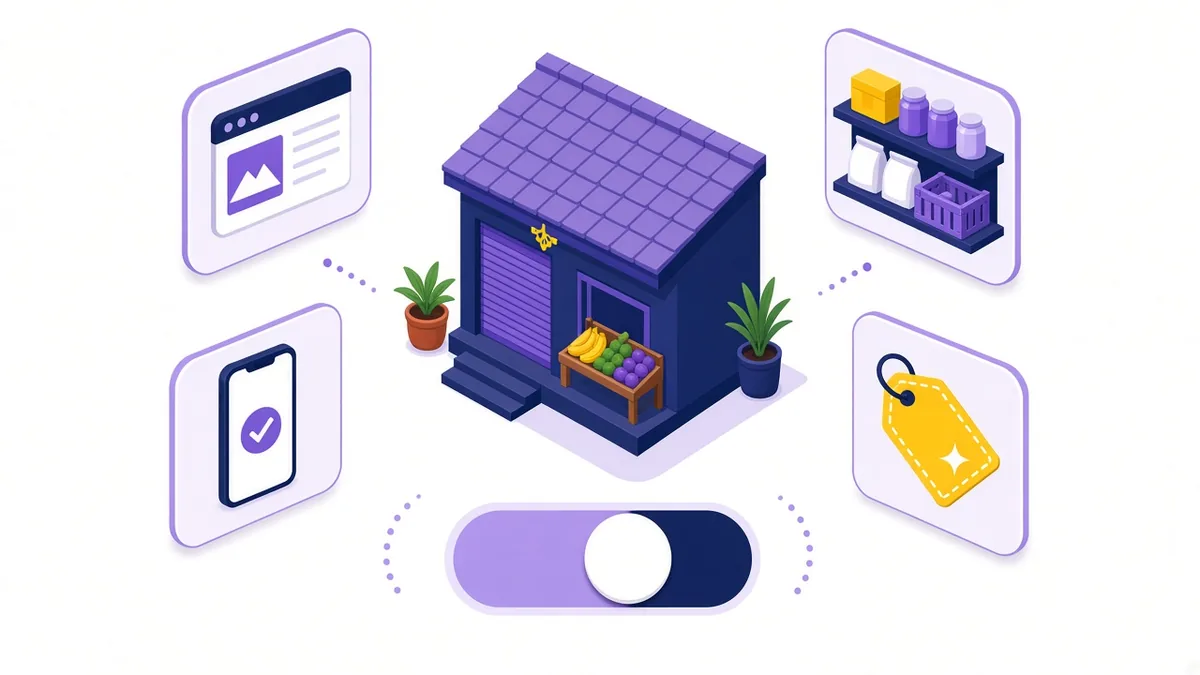
Paid search suits businesses that people actively look for. If customers type searches like "physiotherapy near Saibaba Colony", "laptop service Gandhipuram" or "industrial valves supplier Coimbatore", you can be in front of them at that moment.
Check these before spending:
- Do people search for what you sell? If the product is brand new and nobody knows to look for it, social media or content may work better first.
- Can you handle the enquiries? Someone must answer the phone and reply to forms quickly.
- Is one customer worth enough? A job worth a few thousand rupees in profit leaves room for ad costs; a sale worth very little may not.
- Is your website or landing page ready? It should load fast on mobile and show your number clearly.
If the answer to most of these is yes, it is worth a test.
Pick one goal and one campaign

New advertisers often launch several campaign types at once and cannot tell what worked. Start with a single Search campaign aimed at enquiries: calls, form submissions or WhatsApp chats.
Inside it, group keywords by service. A pest control company might have one ad group for termite treatment and another for cockroach control, each with its own ads and its own landing page. That keeps the message matched to the search.
Performance Max and Display campaigns have their place, but they make more sense once you have conversion data and a clear picture of what a good lead looks like.
Keywords: start narrow, block the rest

Choose keywords that show a person ready to act, such as service plus area, or "repair", "price", "near me" and "booking" combined with your service. Use phrase match or exact match at the start for more control.
Equally important are negative keywords: words you do not want to pay for. Common ones for local service firms include "jobs", "salary", "course", "training", "free", "DIY" and "second hand". In Coimbatore, some industrial terms overlap with textile and garment jobs, so check your search terms report to see what actually triggered your ads and add irrelevant words to the negative list every week.
Writing ads and choosing the landing page
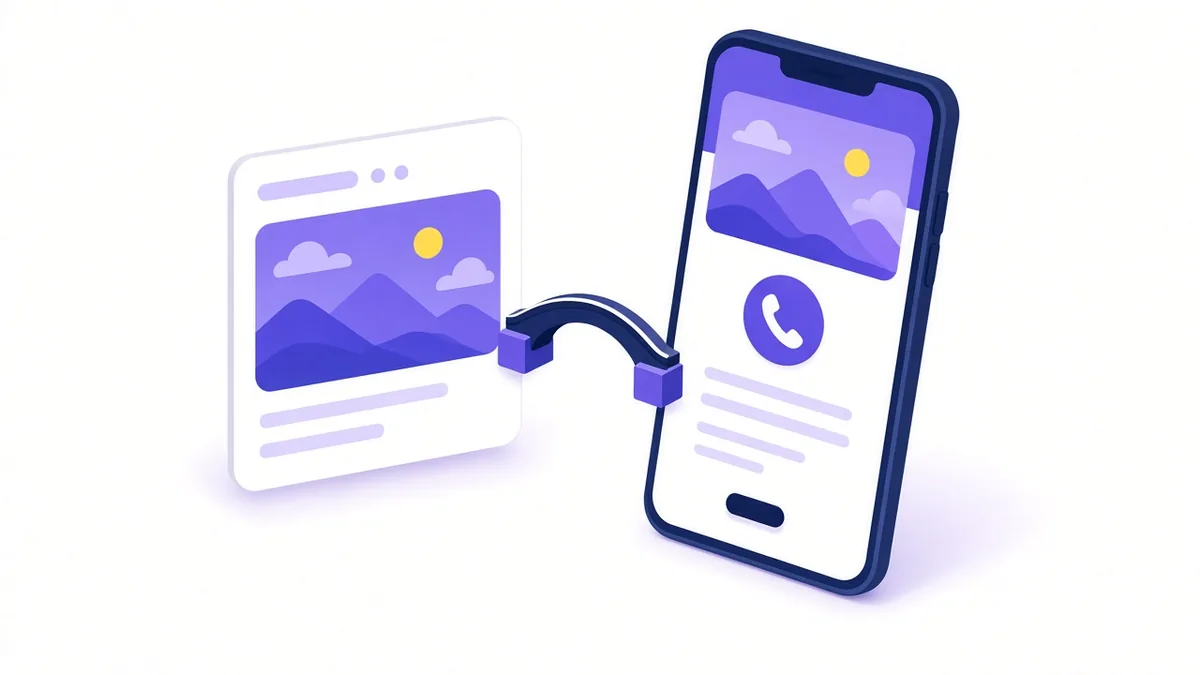
Responsive search ads let you give Google several headlines and descriptions, which it combines. Write headlines that include:
- The service and the area.
- A specific reason to choose you, such as same-day visits, weekend hours or a clear warranty, but only if it is true.
- A direct call to action.
Send each ad group to the most relevant page, not your home page. A visitor searching for "kitchen chimney cleaning" should land on a page about that service, with the phone number at the top and a short form.
Add assets: call asset, location asset linked to your Google Business Profile, sitelinks to key pages and callouts for practical benefits. They make the ad larger and give people more ways to contact you.
Setting a small-business budget

No one amount suits every business. Start from what you can afford to test for a few weeks without stress, then check that it buys enough clicks per day to learn from. For the maths behind spending limits and cost per lead, read Google Ads cost in India.
Example (illustrative, not a client result): A bakery in Ramanathapuram that takes custom cake orders runs one Search campaign for "custom birthday cake" searches within a few kilometres, only between 9 am and 8 pm when staff can answer calls. Ads point to a cake order page with photos and a WhatsApp button. By keeping the area and hours tight, a modest budget is spent where orders can actually be handled.
Tracking before launch

Before the first ad runs, set up conversion tracking so Google Ads can count:
- Form submissions (thank-you page or form event).
- Taps on your phone number from the website on mobile.
- Calls from the call asset in the ad.
- WhatsApp button clicks, if you use one.
Without tracking you only see clicks and cost, not results, and Google's automated bidding has nothing useful to optimise towards. Also link Google Analytics 4 to the ad account so you can see what visitors do after the click.
A simple weekly routine
Set aside about 30 minutes a week:
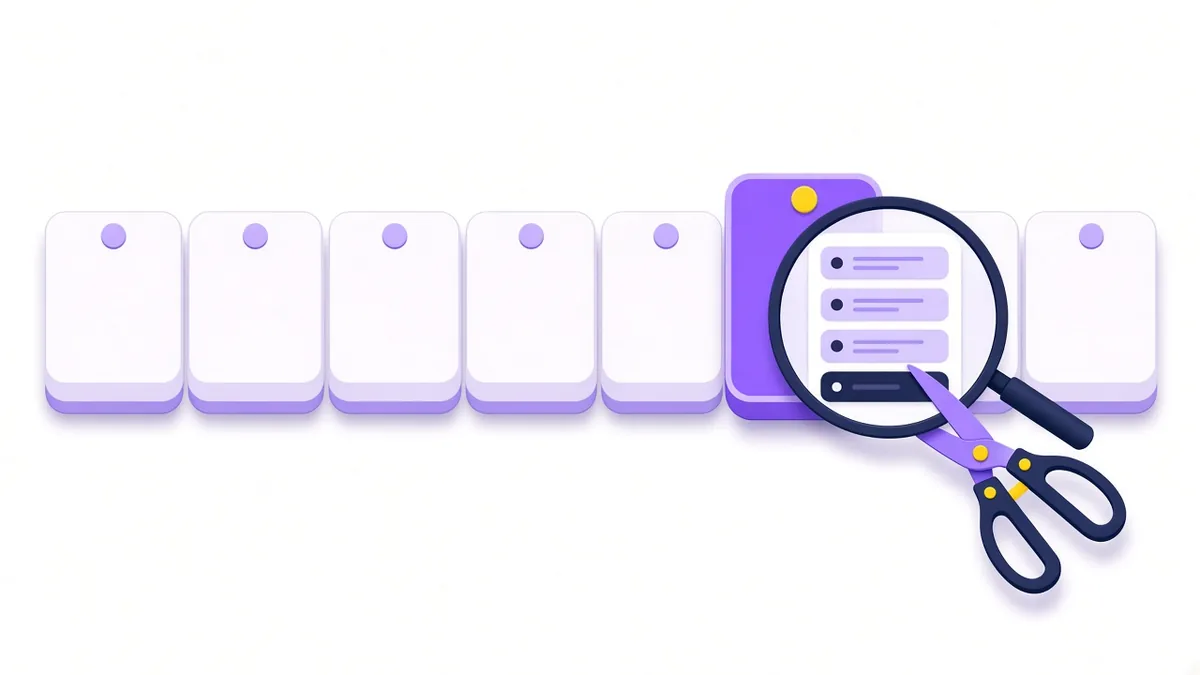
- Review the search terms report and add negative keywords.
- Check that conversions are still recording.
- Pause keywords that spend without results after a fair amount of data.
- Note which ads and assets get the best response and write new variations.
- Ask whoever answers the phone which callers were genuine customers.
Monthly, compare total spend with the number of real customers gained, not just enquiries. That one figure tells you whether to grow, adjust or stop.
Strategies that suit small budgets
A few tactics help a limited budget go further:
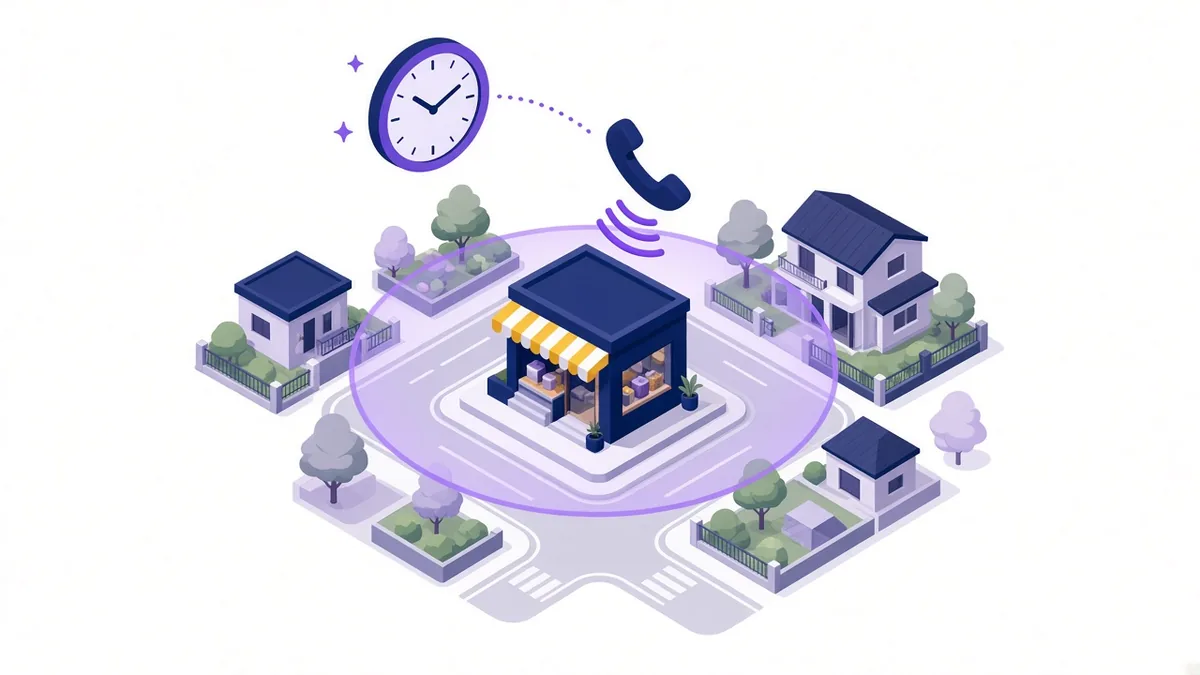
- Ad schedule: show ads only when you can respond.
- Location radius: target the areas you actually serve, and choose people who are in or regularly in those areas rather than those merely interested in them.
- Device adjustments: if most calls come from mobile, focus there.
- Brand protection: a small campaign on your own business name can be cheap and stops competitors appearing first for it.
Thinking of outsourcing instead? Read about our approach as a Google Ads agency in Coimbatore.
Frequently asked questions

What is a realistic first test period for Google Ads?
Plan for at least four to eight weeks. The first days are spent gathering search term data and fixing obvious waste. Judging results after a few days usually leads to the wrong conclusion.
Can a home-based business run Google Ads without a shop address?
Yes. Service-area businesses can advertise using location targeting around the areas they cover, and can hide their address on the Google Business Profile while still listing a service area.
Should I use Google's automatic campaign recommendations?
Read them carefully rather than accepting all of them. Some are useful, such as fixing disapproved ads, but others suggest broader keywords or higher budgets that may not suit a small local business.
Is it better to target all of Coimbatore or just nearby areas?
Start with the areas you serve well and can reach quickly. You can widen the radius once you know which locations produce real customers at an acceptable cost.
Get a focused start

To have your first campaign planned and tracked properly, see our Google Ads management in Coimbatore page, call +91 93429 52626 or email info@xtrodinry.com.
About the author: Karthik N, Founder of Xtrodinry in Coimbatore and SEO strategist. Connect on LinkedIn · About Xtrodinry
Xtrodinry · 4/175/A, Vijayalakshmi Nagar, Panappatti, Coimbatore, Tamil Nadu 641201 · +91 93429 52626 · info@xtrodinry.com