
Is SEO Dead with AI? An Honest Answer for 2026

Is SEO dead with AI? No. What has changed is where people see answers and how often they click. Google now shows AI Overviews above many results, and tools like ChatGPT, Gemini and Copilot answer questions directly. But those AI systems still pull their information from web pages that are crawlable, clear and trusted, which is exactly what SEO has always worked on. Businesses that publish thin, generic pages are losing visibility. Businesses with specific, accurate, well-structured information are the ones AI tools quote. This article explains what has shifted, what still works, and what a local business should do now. For hands-on help, see our AI SEO services in Coimbatore.
Short answer: is SEO dead?

The "SEO is dead" headline appears every few years: when social media rose, when voice search arrived, and now with generative AI. Each time, the practice changed rather than disappeared. People still type and speak searches billions of times a day, and someone still has to make sure the right business is found for them.
What is genuinely dying is a narrow version of SEO: stuffing keywords, publishing hundreds of near-identical pages, and buying links. Those shortcuts were already risky. AI answers make them close to useless.
What has actually changed since AI answers arrived

Three things matter most for business owners.
Fewer clicks on simple questions. If someone asks "what time does the Coimbatore flower market open", an AI summary may answer without a click. Informational traffic for basic facts is under pressure.
Answers are assembled from several sources. AI tools combine information from different sites. Being one of those sources can put your name in front of a searcher even if they never visit your page.
Searches are longer and more conversational. People ask full questions such as "which pediatric dentist near Peelamedu is open on Sunday". Pages that answer specific questions clearly have an advantage.
Clicks that do happen after an AI answer tend to come from people further along in their decision, for example wanting to book, compare prices or call.
What still works (and matters more now)

- Being crawlable and indexable. If Google or AI crawlers cannot reach a page, it cannot be cited. Technical basics did not go away.
- Clear, specific answers. Short, direct paragraphs near the top of a section, followed by detail, are easy for both people and machines to use.
- Accurate business facts everywhere. Name, address, phone, hours and services that match across your website, Google Business Profile and directories reduce the chance of AI tools getting you wrong.
- First-hand experience. Explaining how you actually do the work, with real photos and specific local detail, is hard for generic AI-written pages to copy.
- Reputation. Reviews, mentions in local news or industry sites and genuine links still signal trust.
- Structured data. Schema markup for your organisation, services and FAQs helps systems read key facts reliably.
What has stopped working

- Pages written only to rank, with no real information.
- Mass-produced location pages that swap only the town name.
- Repeating the same keyword unnaturally.
- Link schemes and paid reviews, which also break Google's spam policies.
Can SEO be done with AI tools?
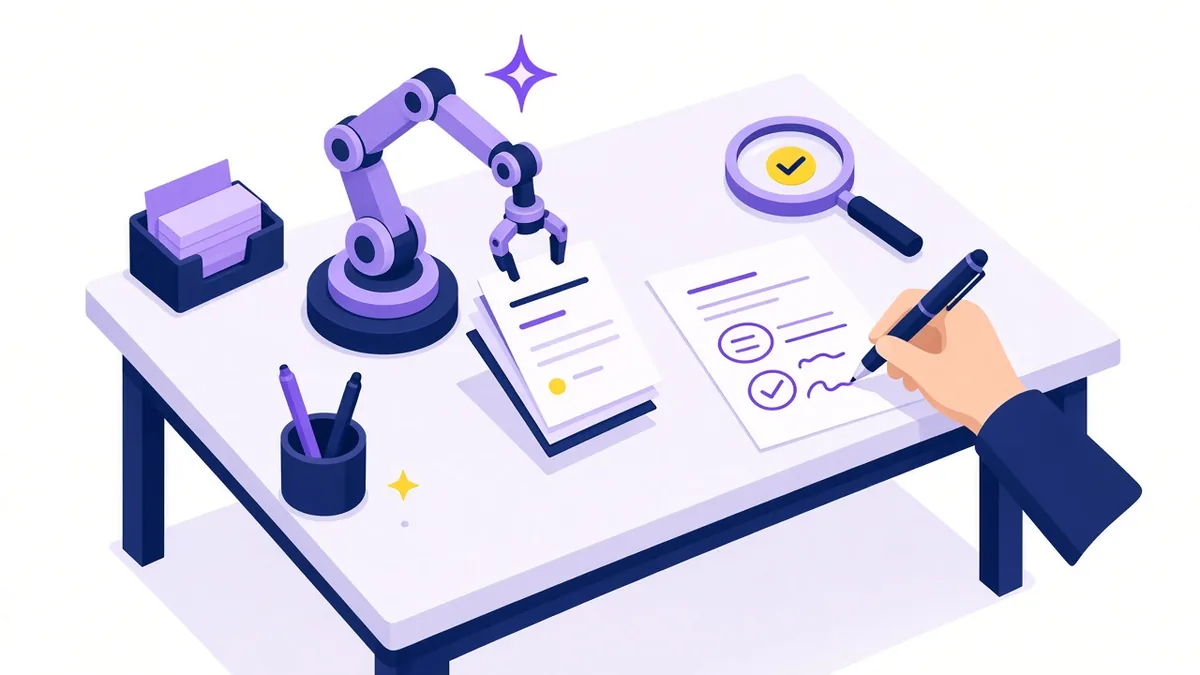
Partly. AI tools are genuinely useful for drafting outlines, grouping keywords, writing first drafts of meta descriptions, summarising Search Console data and spotting gaps. They are poor at knowing your business: your prices, your process, your service areas and what customers really ask. They can also state wrong facts confidently.
A practical rule: let AI speed up the routine parts, but keep a human who knows the business responsible for facts, judgement and final edits. Google's guidance focuses on whether content is helpful, not on whether a tool was used, but unreviewed mass AI content is a quick way to produce the thin pages that no longer perform.
How SEO, AEO and GEO fit together
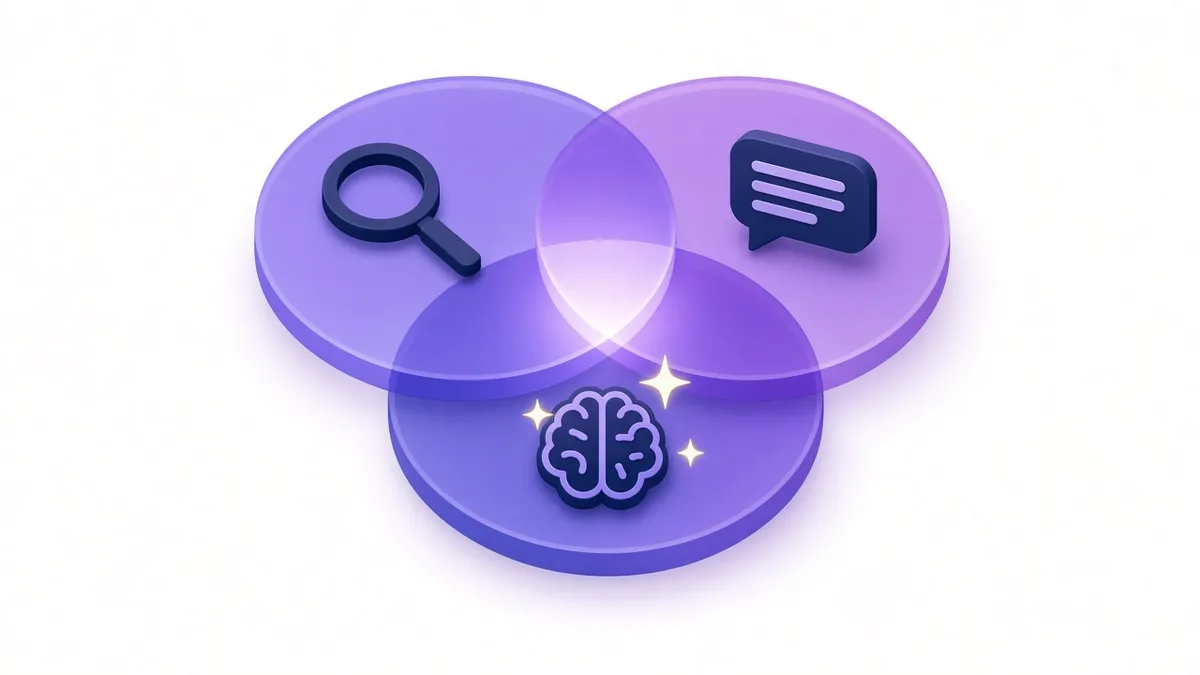
You will see two newer terms. AEO (answer engine optimisation) is about being the source of direct answers. GEO (generative engine optimisation) is about being named in AI-generated responses. Is GEO a part of SEO? In practice, yes: both rely on the same foundations of crawlable pages, clear answers and trusted facts, with extra attention to how AI tools describe you. We cover the definitions in detail in AEO and GEO explained.
On "how to rank in ChatGPT": there is no paid placement and no guaranteed method. The realistic route is to be clearly described across trusted sources so that when the tool searches or recalls information, your business is the obvious match.
Which businesses feel the change most?

Not every business is affected equally. Websites that relied on general how-to articles, such as recipe blogs or broad tutorial sites, feel the drop in clicks first, because AI summaries answer those questions well. Local service businesses are less exposed: someone who needs a plumber in Kuniyamuthur tonight still wants a name, a number and proof that the business is real. Manufacturers and B2B suppliers sit in between, since buyers research with AI tools but still visit websites to check specifications, capacity and contact details before making an enquiry.
A practical plan for a Coimbatore business
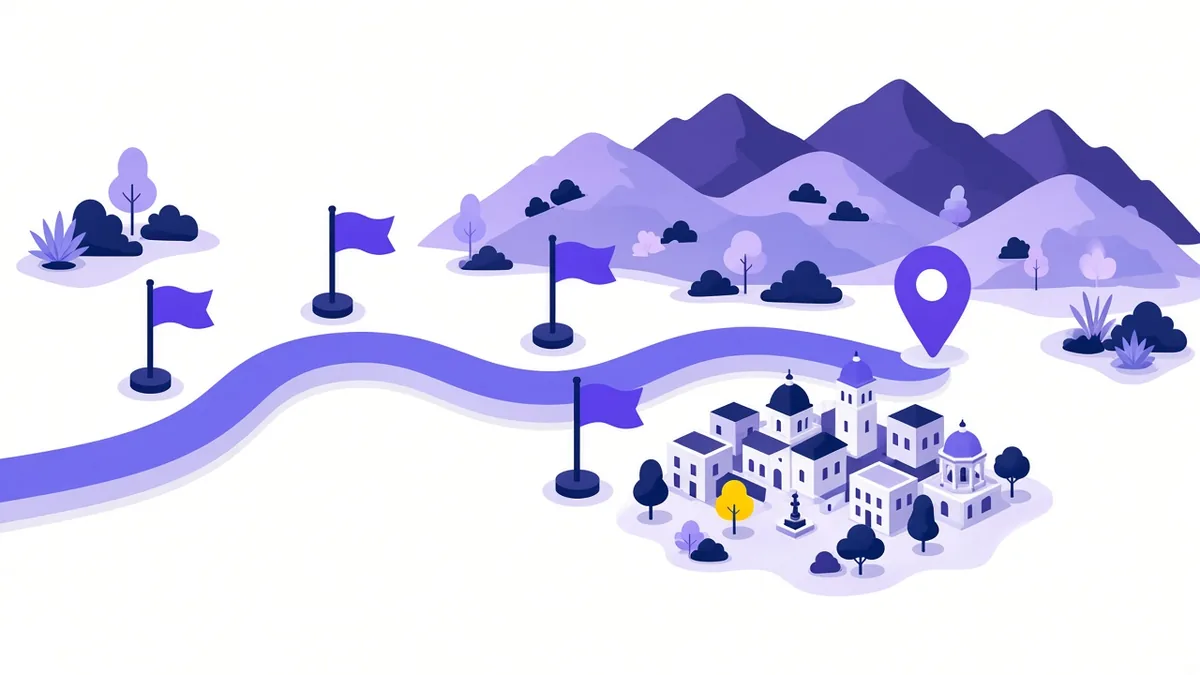
- Fix the basics. Make sure your site is indexed, fast on mobile and free of broken pages.
- Rewrite your key service pages so each opens with a two- or three-sentence answer to the main question, then gives detail.
- Add an FAQ section built from real customer calls and WhatsApp chats.
- Align your facts on your website, Google Business Profile, Justdial, Bing Places and social profiles.
- Ask AI tools about your category each month, for example "AC service in Vadavalli", and note who is mentioned and what they get wrong about you.
- Keep building reputation with steady reviews and local mentions.
Example (illustrative, not a client result): A bridal makeup studio in RS Puram finds that when asked about bridal makeup in Coimbatore, an AI tool lists competitors and gives the studio's old address. Correcting the address on every listing, adding a clear "About" page with its location and services, and publishing answers to common bridal questions gives AI systems accurate material to work from. There is no guarantee of a mention, but the studio removes the reasons to be left out.
To see how this sits inside a monthly programme, visit SEO services in Coimbatore.
Frequently asked questions

Will AI Overviews replace normal Google results completely?
There is no sign of that today. AI Overviews appear for many queries, but the regular list of web results, map results and ads still appear on the same page. Plan for both rather than betting everything on one format.
Should I use AI to write all my website content?
It is safer to use AI for drafts and let someone who knows your business check every fact and add real experience. Fully automated pages often end up generic, repetitive or inaccurate, which helps neither customers nor rankings.
Does a new website have a chance in AI search?
Yes, if it is technically sound and gives clear, specific information. AI tools look for useful sources, not only old domains. Consistent business details and genuine reviews help a new business build trust faster.
Is it worth learning SEO as a career in 2026?
The role is changing towards content strategy, technical health and understanding how AI systems read the web. People who combine those skills with business sense remain in demand. Pure keyword-stuffing skills are not.
Curious what AI assistants say about you?

Read about our AI SEO services in Coimbatore to see the checks involved, or phone +91 93429 52626 (email: info@xtrodinry.com) to book a no-cost look at your site.
About the author: Karthik N, Founder of Xtrodinry in Coimbatore and SEO strategist. Connect on LinkedIn · About Xtrodinry
Xtrodinry · 4/175/A, Vijayalakshmi Nagar, Panappatti, Coimbatore, Tamil Nadu 641201 · +91 93429 52626 · info@xtrodinry.com