

Admissions Marketing for Schools, Colleges and Coaching Centres in Coimbatore
Campaigns planned around the admissions calendar, separate messages for parents and students, course pages and enquiry-to-admission tracking.
Admissions marketing works when it follows the admissions calendar and speaks to the person who decides. Our approach for a Coimbatore school, college or coaching centre is to plan campaigns backwards from application and counselling dates, write separately for parents and for students, give every course or class its own clear page, promote open days and campus visits, and track each enquiry until it becomes an admission or not.
This page explains how Xtrodinry would plan marketing for schools, engineering and arts colleges, and coaching or tuition centres in and around Coimbatore. We are a new agency and have no education clients yet, so this is a plan and a method, not a record of results. Dates and platform rules are linked in the sources and would be rechecked for each admission year.
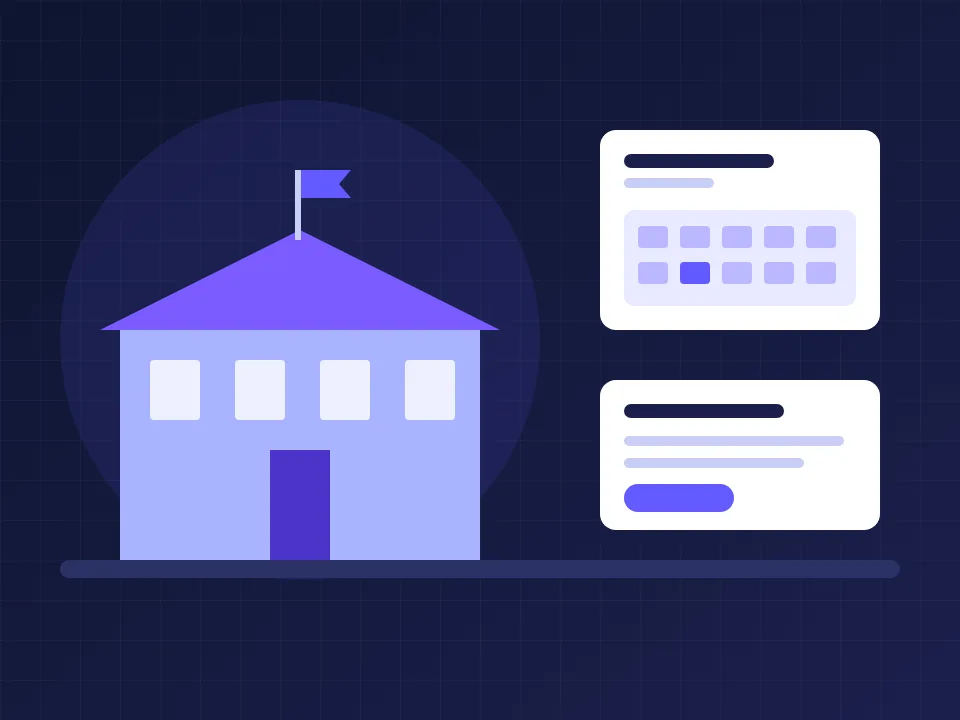
Planning around the admissions calendar
Education marketing is seasonal. For engineering colleges in Tamil Nadu, the state counselling process sets the rhythm: the official TNEA 2026 schedule listed online registration from 3 May, a registration deadline of 5 June, the rank list on 1 July and general counselling from 20 July to 30 August 2026. A college that starts advertising in July is talking to families who have mostly shortlisted already.
Schools follow a different cycle, with many parents enquiring months before the academic year starts, and coaching centres peak around board results and entrance exam dates. Our first step with any institution would be a 12-month calendar marking when families research, when they apply and when they decide, with content and ads planned for each window.

Parents and students are different audiences
For school admissions the parent decides; for colleges the student and the parent decide together; for coaching it is often the student who searches and the parent who pays. They ask different questions. Parents ask about safety, transport, fees, results and teachers. Students ask about campus life, placements, clubs and what the course actually involves.
We would plan separate messages and, where possible, separate pages or sections for each. Instagram and YouTube suit student-facing content such as campus tours and lab walk-throughs. Search ads and Facebook tend to reach parents comparing institutions.

Course and programme pages
Every course, class level or batch should have its own page with the facts families compare: eligibility, duration, intake, fee structure or how to request it, affiliation or approval status, timetable, faculty and how to apply. These pages answer the questions that otherwise flood the admissions phone line, and they are what search engines and AI assistants read when someone asks which college offers a course near them.
Approvals deserve particular care. The UGC publishes a state-wise list of fake universities, and parents are right to be cautious. State the exact affiliation, approval body and reference on the page, and link to the regulator's record where one exists.
Ads, age limits and what platforms allow
School and coaching campaigns often reach under-18s, and both major ad platforms limit how they can be targeted. Google's personalised advertising policy says users under 18 are not eligible for personalised ads of any kind. Meta announced in January 2023 that advertisers could target teens only by age and location, removing gender and other targeting.
So for anything aimed at school students we would target parents (adults in the right areas) or rely on content and location rather than interests, and keep remarketing to adults. College campaigns aimed at 17-year-olds finishing class 12 need the same caution.
Our channel plan for schools, colleges and coaching centres
- Off-season: course pages, Google Business Profile for each campus, a parent FAQ page, enquiry tracking and a CRM or sheet with admission status.
- Research window: social content showing classrooms, labs, events and results stated accurately; search ads on course-plus-location terms. See Instagram marketing.
- Application window: lead and click-to-WhatsApp ads to parents in the catchment area, open-day promotion and reminders before deadlines.
- Decision window: follow-up calls, campus visits and answers to fee and transport questions within a day.
What we would avoid: guaranteeing ranks, marks or placements, which also breaches Google's misrepresentation rules; using student photos without written consent; and buying followers to look popular.
Open days, reviews and enquiry-to-admission tracking
An open day or campus tour is often the moment a family decides. We would give each event its own registration page, send a reminder the day before and record who attended, so the admissions team can follow up personally.
Reviews on Google come from parents, students and alumni. Ask all of them in the same neutral way, reply politely to criticism, and never offer fee concessions for reviews. At the end of each season the enquiry sheet should show, by source, how many enquiries became applications and admissions, which is the only number that justifies next year's budget.
Illustrative, not a client result: an admission-season content calendar
For a hypothetical CBSE school in Coimbatore, the plan might look like this:
- Three months before admissions open: campus tour video, parent FAQ page, transport routes page
- Admissions open: search ads on school plus area terms, Facebook lead ads to parents within the catchment, open-day registration page
- Open-day weekend: reminders by WhatsApp, attendance list, same-week follow-up calls
- After the deadline: wait-list communication and a short survey of families who chose another school
The timings and channels are examples to show structure; a real calendar would follow the school's own admission dates.
Questions schools and colleges ask about admissions marketing
Before families start comparing, which for many schools is a few months before applications open. Content and search pages should be ready earlier still, so ads have something useful to point to. We would set exact dates from your own admission calendar.
Only in a limited way if they are under 18: Meta allows age and location targeting for teens, and Google does not personalise ads for under-18s at all. We usually target parents for school and coaching campaigns.
Factual, verifiable results stated with consent can be shared. Guarantees of marks, ranks or jobs should not be made; they mislead families and breach ad platform rules.
By recording the source of each enquiry and updating its status through to admission. Without that, you can only count leads, which says little about the cost of an admission.
No. Xtrodinry is a new agency and has no education clients or case studies. We would agree on targets such as applications and admissions, not likes, before starting.
Planning next year's admissions?
Send us your website and admission dates. Karthik will reply with a short calendar and channel plan. There's no fee and no obligation. Contact Xtrodinry.
Sources and references
- Tamil Nadu Engineering Admissions 2026: tentative schedule — Directorate of Technical Education, Chennai (TNEA)
- Fake universities (state-wise list) — University Grants Commission
- Restricted targeting in personalized advertising (under-18s not eligible) — Google Advertising Policies Help
- Meta to stop letting advertisers target teens by gender (January 2023) — Bloomberg
- Misrepresentation policy — Google Advertising Policies Help