

Real Estate Digital Marketing for Coimbatore Developers and Brokers
Project pages, RERA details on every ad, lead forms that filter, fast WhatsApp follow-up and tracking measured by site visits.
Property buyers take months to decide and check everything twice, so real estate marketing should be measured by site visits and bookings, not clicks. Our approach for a Coimbatore developer or broker is one complete page per project, RERA registration details on every ad and listing as the law requires, lead forms that ask a few qualifying questions, fast WhatsApp follow-up, and tracking that tells you which campaigns produced actual site visits.
This page sets out how Xtrodinry would plan marketing for apartment developers, villa and plotted-layout promoters, and brokers in and around Coimbatore. We are a new agency and have not run a property campaign yet, so this is our method, not a set of results. Legal points are summarised for planning only; promoters should confirm the details with their own adviser and the current TNRERA directions.
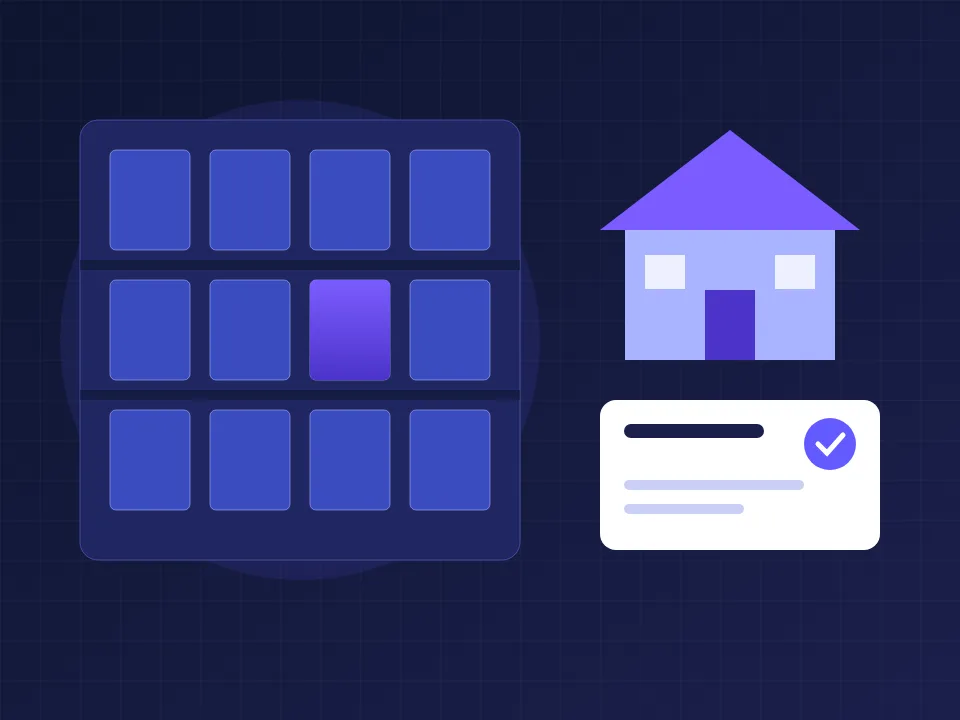
How property buyers move from search to site visit
A buyer for a flat, villa or plot usually starts broad (an area, a budget, a type of home), then narrows to a few projects, checks the builder, compares prices and approvals, and only then visits. Families often involve relatives living elsewhere, including NRIs, who look at the project online before anyone travels.
Each stage needs something different. Early on it is area guides and price ranges. In the middle it is a project page with plans, approvals and a clear location. At the end it is a quick, reliable way to book a site visit and talk to a person. Most wasted budgets we see described online come from sending early-stage traffic straight to a "book now" form.
One project page per launch
We would build a dedicated page for each project rather than one generic "our projects" page. Each would include:
- the RERA registration number and the Authority's website address, near the top;
- unit types and sizes, with floor plans or the plot layout as images and text;
- a map with the actual location, plus nearby landmarks described without travel-time claims;
- approvals, amenities that are part of the sanctioned plan, and the construction stage;
- a short form and a WhatsApp button to request a site visit or price sheet.
These pages also become the landing pages for every ad, so the message stays consistent and compliant.
RERA details in every ad
Section 11(2) of the Real Estate (Regulation and Development) Act, 2016 requires that any advertisement or prospectus issued by a promoter prominently mention the website address of the Authority and include the project's registration number. Tamil Nadu's regulator, TNRERA, issued advertisement guidelines effective from 1 July 2025. As summarised by legal commentators, these require the registration number, a QR code and the Authority's website address, placed prominently, and they bar mentioning travel time to the project because it varies with traffic.
For digital campaigns we would put the registration number in the ad text or image where the format allows, and always on the landing page, and keep a log of which number and creative ran where. Brokers registered as agents have their own registration number to quote as well.
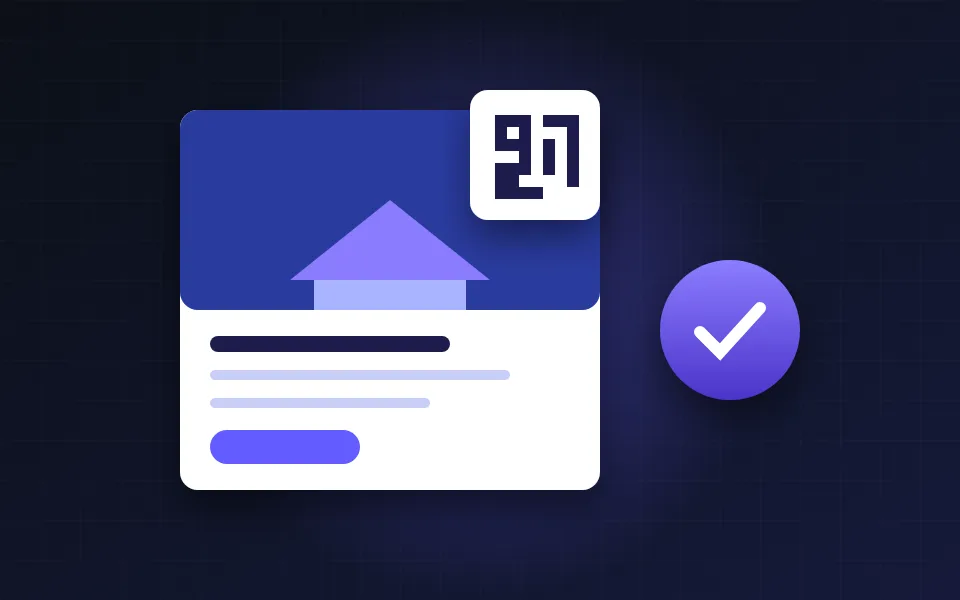
Lead forms that filter instead of flood
Instant forms on Facebook and Instagram can produce many cheap leads with wrong numbers or no real intent. We would add two or three qualifying questions, such as preferred unit type, budget band and planned purchase time, and choose Meta's higher-intent form type that asks people to review their details before submitting. On Google we would send searchers to the project page rather than a bare form. See Meta lead ads for how we set these up in general.
Fewer, better leads usually cost the sales team less time than a long list that never answers the phone.
Our channel plan for developers and brokers
- Before launch: project page, RERA details checked, call and WhatsApp tracking, and a simple lead sheet or CRM with a "site visit done" column.
- Launch weeks: Google Search ads on project, builder and area-plus-property-type terms; Meta lead and click-to-WhatsApp ads to people in Coimbatore and to selected cities where buyers or NRI families live.
- Ongoing: remarketing to project-page visitors, construction-progress updates on social media, and listings on property portals kept consistent with the project page.
- Monthly: a review of cost per site visit and per booking, not just cost per lead.
Google's audience restrictions for housing apply in the United States and Canada; for ads shown in India, normal location and audience targeting is available, but we would still avoid targeting by religion or community, which Google treats as a sensitive category and which is wrong in principle.
WhatsApp follow-up and portals versus your own site
Most property conversations in Coimbatore move to WhatsApp quickly. We would set up click-to-WhatsApp ads with a greeting that asks for the buyer's preferred unit type and visit date, and a rule that every lead gets a human reply within working hours. Our article on WhatsApp ads costs in India explains the pricing side.
Property portals bring enquiries but also show your project next to competitors. Your own project page is where you control the details, the RERA information and the follow-up, so we would treat portals as a source of leads and your site as the place where they are checked and closed.

Illustrative, not a client result: tracking a lead to a site visit
For a hypothetical 60-plot gated layout near Coimbatore, the lead sheet might have these columns:
- Source: Google Search, Meta form, WhatsApp ad, portal, walk-in
- Qualifier answers: plot size, budget band, purchase timeline
- First reply time and who replied
- Site visit date and visit outcome
- Booking yes or no
At month end, cost per site visit by source would show which channel deserves more budget. The plot count and columns are examples only; a real setup would match the promoter's own sales process.
Questions developers and brokers ask about digital marketing
Yes. Section 11(2) of the RERA Act requires the registration number and the Authority's website in a promoter's advertisements, and TNRERA's guidelines add placement and QR code requirements. Where an ad format is too small, the number must at least appear on the landing page; we would check the current directions with your adviser.
They can be, if the form filters. Without qualifying questions they tend to produce many low-intent leads. We judge them by cost per site visit, not cost per lead.
Yes, both Google and Meta allow location targeting by country or city. The project page should then answer NRI questions clearly, such as documentation, payment options and how a video site visit works.
We recommend it. Portals help with reach, but your own project pages carry your RERA details, your plans and your follow-up, and they are the pages your ads should point to.
Not yet. Xtrodinry is a new agency and has no real estate clients or case studies. We would agree on the measures that matter, usually site visits and bookings, before any money is spent.
Planning a launch or a slow-moving project?
Send us the project page or brochure. Karthik will reply with a short written plan covering compliance, lead capture and tracking. There's no fee and no obligation. Contact Xtrodinry.
Sources and references
- The Real Estate (Regulation and Development) Act, 2016 (Section 11) — India Code, Government of India
- New guidelines for real estate advertisements in Tamil Nadu (TNRERA, from 1 July 2025) — Mondaq
- Restricted targeting in personalized advertising (housing limits apply in the US and Canada) — Google Advertising Policies Help
- Target ads to geographic locations — Google Ads Help