

Digital Marketing for Coimbatore Manufacturers: Pumps, Motors and Engineering
A spec-led plan for pump, motor and engineering firms: product pages buyers can check, tightly limited search ads, LinkedIn for dealers and trade-fair follow-up.
For a Coimbatore manufacturer, digital marketing works best when it mirrors how industrial buyers already shop: they compare specifications, check standards and ask dealers. Our approach is to build one clear page per product range with the numbers buyers filter on, run tightly limited Google Ads for buying-intent searches, use LinkedIn to reach dealers and purchase heads, and turn every trade fair into tracked enquiries.
This page explains how Xtrodinry would plan marketing for pump, motor, valve, foundry and general engineering businesses in and around Coimbatore. We are a new agency and have not yet run campaigns for a manufacturer, so everything here is our method and reasoning, not a record of past results. Where we state a fact about the region or a platform, the source is listed at the end of the page.
Coimbatore's industrial base is built on small and medium firms. CODISSIA, the Coimbatore District Small Industries Association, was founded in 1969 and says it has more than 6,600 MSME members. Many of these firms sell through dealers, contractors and OEM buyers rather than to the public, which changes almost every marketing decision below.
How industrial buyers search before they call
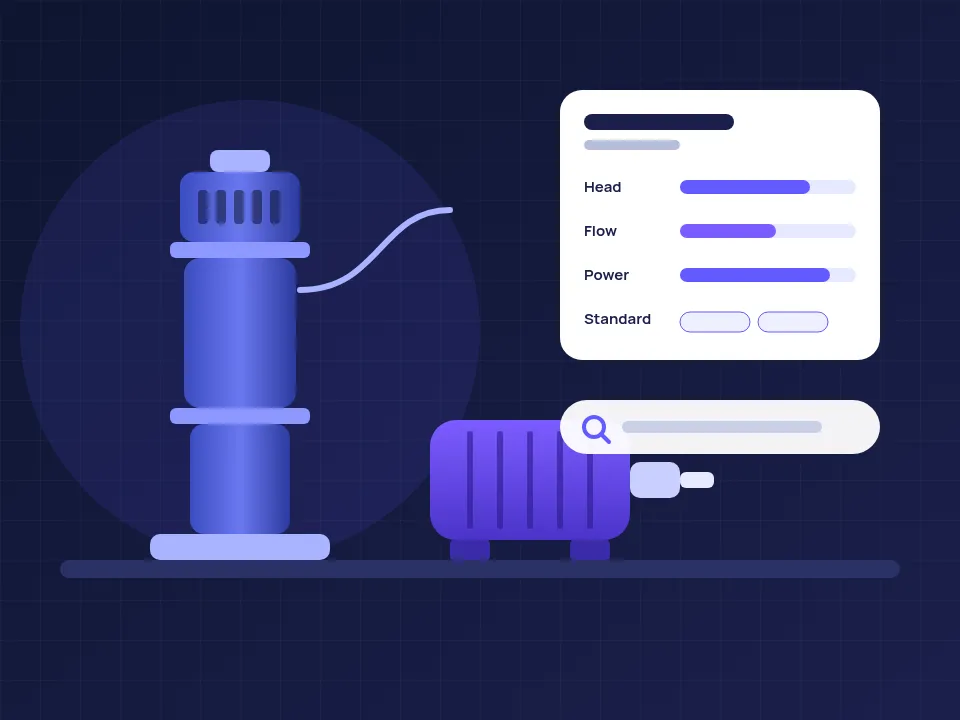
A farmer replacing a borewell pump, a contractor specifying a booster set and a purchase engineer at an OEM all search differently, but they share one habit: they search by specification. Typical patterns are a product type plus a rating, a standard or an application, for example a submersible pump by stage count and head, a motor by frame size and power, or a valve by size and pressure class.
Google autocomplete for India shows that queries such as "pump manufacturers coimbatore", "submersible pump manufacturers coimbatore" and "water pump manufacturers coimbatore" are being typed. Autocomplete only proves that people search these phrases; it does not tell us how many do, so we treat them as signals of intent, not as volumes.
What this means for a website is simple: a buyer who cannot find the rating, size or standard on your page will go back to the search results or to a marketplace listing. Brand stories and factory photos matter, but they come after the numbers.
Product and spec pages as the main SEO asset
For most manufacturers, we would start by restructuring the website around product ranges rather than adding a blog. Each range gets its own page with:
- a plain description of the application, in the words dealers and site engineers use;
- a specification table as real HTML text, not only a PDF or an image, so search engines and AI tools can read it;
- the standards or certifications the product actually holds, stated exactly;
- a downloadable datasheet for buyers who need to file it;
- a short enquiry form that asks for the application and quantity, so sales can prioritise.
Google's own documentation describes Product structured data for pages where people learn about a product but cannot buy it directly on the page. That fits most industrial catalogues, so we would add that markup for each range, using only details that are visible on the page.
Our channel plan for manufacturers, and what we would avoid
We would phase the work so spend follows evidence:
- Months 1–2: foundations. Product pages, a Google Business Profile for the factory or office, enquiry and call tracking, and a clean contact route for dealers.
- Months 2–4: search ads with strict limits. Google Search campaigns on product-plus-specification terms only. Google Ads lets advertisers add negative keywords so ads do not show for searches that do not fit. In this sector we would expect to exclude job, training, repair-only, spare-part and DIY searches from day one, and review the search terms every week.
- Ongoing: LinkedIn for dealers and buyers. Regular posts from the founder or sales head about applications, installations and new ranges, aimed at dealers, consultants and purchase teams. See LinkedIn marketing.
- Around trade fairs: follow-up. A landing page per fair, a short form for stall visitors and a WhatsApp or email follow-up within days.
What we would usually not do for a B2B manufacturer: broad Display or Performance Max campaigns before tracking is proven, Instagram follower campaigns, or chasing generic phrases like "best pump" that attract consumers comparing prices. Location settings matter too: Google Ads offers "Presence" targeting for advertisers who only want people physically in the chosen area, which suits a firm that can only serve certain districts or states.
Dealers, marketplaces and your own website
Many Coimbatore manufacturers already get enquiries from B2B marketplaces. We would not ask anyone to drop a channel that brings orders. The aim is to make your own website the place where serious buyers confirm details: a marketplace listing can start the conversation, and a complete product page with datasheets and standards helps close it.
Dealers need different support from end buyers. A simple dealer area with product images, approved descriptions and price-list requests saves the sales team time, and dealer-ready content can be reused on LinkedIn and in WhatsApp catalogues.
Turning trade fairs into tracked enquiries
Coimbatore hosts large industrial fairs. INTEC, the international machine tools and industrial trade fair organised by CODISSIA, lists its next edition for 1–5 June 2028 at the CODISSIA Trade Fair Complex. Whether you exhibit or visit, a fair produces business cards and conversations that are easy to lose.
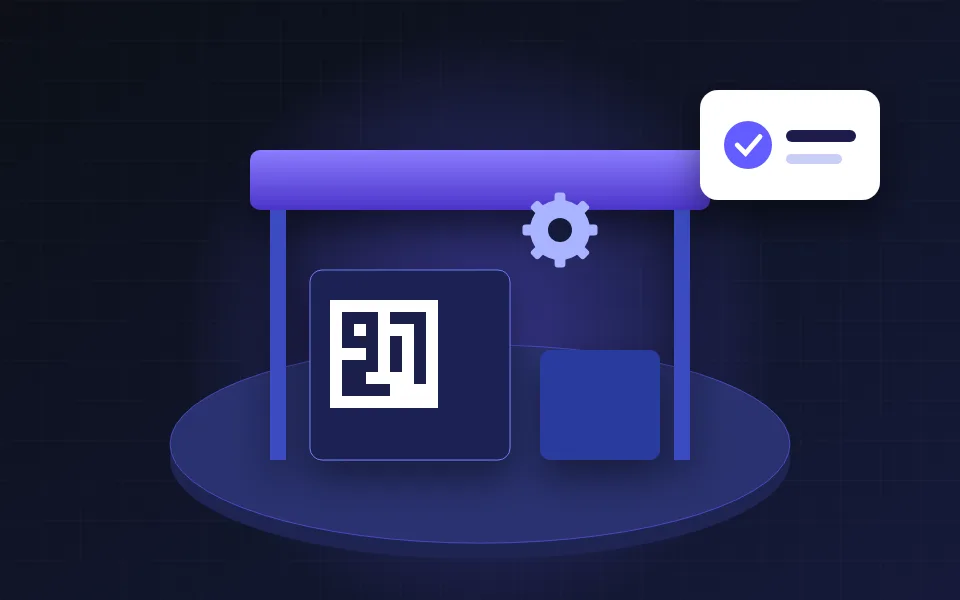
Our plan for a fair would be a short page describing what you are showing, a QR code at the stall leading to it, a form that records the visitor's company and interest, and a follow-up sequence. After the fair, those contacts can become a LinkedIn or Google Ads audience, used only in line with each platform's rules and with consent where required.
Measuring enquiries when the sale happens offline
Industrial sales close over weeks or months, often by phone or in person, so clicks and form fills are not enough. We would set up call tracking and enquiry events, ask sales to tag each lead by source in a simple sheet or CRM, and report monthly in plain English: which product pages brought enquiries, which search terms wasted money and what changed. Our article on call tracking for Google Ads explains the basics.
Illustrative, not a client result: a spec-led product page outline
For a hypothetical range of three-phase openwell submersible pumps, the page might be organised like this:
- H1: Three-phase openwell submersible pumps, 1 to 5 HP
- Intro: who uses them (farms, apartments, small industries) and for what
- Specification table: power, head range, discharge range, outlet size, phase, standard
- Selection help: how to choose by depth and water requirement
- Downloads: datasheet and installation guide
- Enquiry: application, quantity, location, and a WhatsApp option
The ranges and fields are examples to show structure. A real page would use only the manufacturer's actual products and verified figures.
Questions manufacturers ask about digital marketing
Both can work together. Marketplaces bring early enquiries; your own pages let buyers check specifications and standards, and they are an asset you control. We would keep marketplace listings consistent with the website and link the two.
Many do, especially when looking for a new supplier, a replacement or a specification. Free Google autocomplete data shows product-plus-location searches for pumps in Coimbatore. Repeat orders still come through dealers and relationships, which is why we pair search with LinkedIn and fair follow-up.
By using negative keywords from the start, choosing exact product-and-specification terms, and reviewing the search terms report every week during the first months. Location settings are also set to where you can actually deliver and service.
Often yes, because dealers, consultants and purchase heads are on it. We would start with regular, useful posts from a real person in the company, then consider paid campaigns only once there is content worth promoting.
Not yet. Xtrodinry is a new agency and has no manufacturing clients or case studies to show. We prefer to say that plainly and explain our method, then agree on what to measure before any spending starts.
Want a plan for your product range?
Send us your website and two or three product ranges you most want enquiries for. Karthik will reply with a short written plan. There's no fee and no obligation. Contact Xtrodinry.
Sources and references
- About CODISSIA (founded 1969, 6,600+ MSME members) — CODISSIA / INTEC
- INTEC 2028: 1–5 June 2028, CODISSIA Trade Fair Complex — CODISSIA / INTEC
- Introduction to Product structured data — Google Search Central
- About negative keywords — Google Ads Help
- Target ads to geographic locations — Google Ads Help